The 2009 T20 World Cup: A Pivotal Moment in Cricket History
The landscape of international cricket is constantly evolving, with the T20 World Cup standing as a testament to the sport's dynamic nature and global appeal. While recent editions have captivated millions with their high-octane action and dramatic finishes, it's crucial to look back at moments that shaped the tournament's trajectory. The 2009 ICC World Twenty20, the second installment of the Men's T20 World Cup, held in England, wasn't just another tournament; it was a landmark event that introduced unprecedented concepts, weathered political storms, and fundamentally altered the perception of both men's and women's cricket on the world stage. From a contentious expulsion to the groundbreaking parallel women's tournament, the 2009 edition remains a fascinating chapter in the T20 World Cup saga, offering insights into the sport's complexities and its unwavering commitment to growth.
Zimbabwe's Expulsion: A Political Shadow Over the T20 World Cup
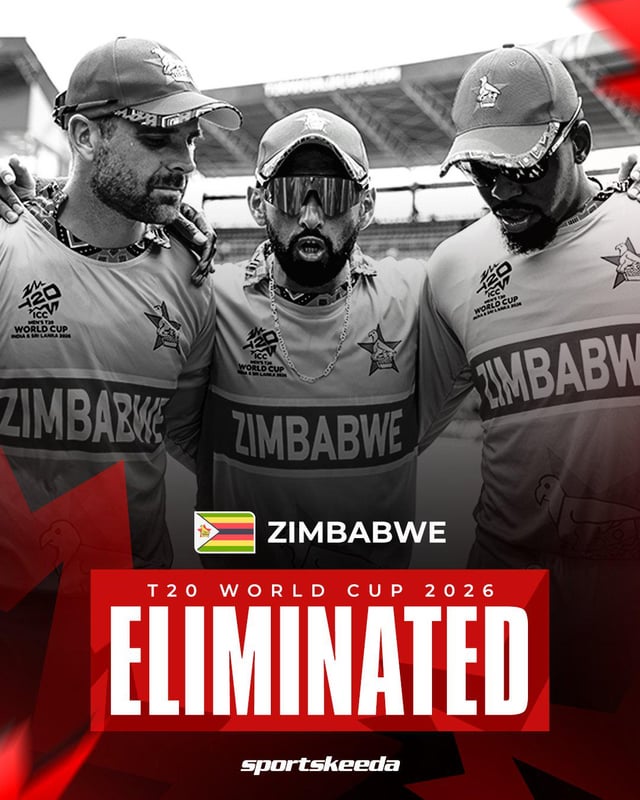
The 2009 T20 World Cup, while celebrated for its innovative aspects, also presented a stark reminder of the intricate relationship between sports and geopolitics. One of the most significant and controversial events leading up to the tournament was the expulsion of ICC Full Member Zimbabwe. Scheduled to be one of the twelve male teams competing – alongside nine other Test-playing nations and three associate nations – Zimbabwe's participation was revoked due to what were officially termed "political reasons."
This decision was not made in isolation. In early January 2008, speculation began to mount regarding the tournament's potential relocation from England. This was directly linked to the British government's strong stance and subsequent ban on Zimbabwean cricket teams from playing in the country, a reflection of the wider political tensions surrounding Zimbabwe's then-government. The situation created a dilemma for the International Cricket Council (ICC), caught between upholding the integrity of its global tournament and navigating complex international diplomatic relations. Ultimately, the political pressures proved insurmountable, leading to Zimbabwe's unfortunate exclusion.
The expulsion of a full member nation from a prestigious global event like the T20 World Cup sent ripples through the cricketing world. For players, it meant the heartbreak of missing out on a career-defining opportunity through no fault of their own. For fans, it highlighted how external factors could impact the purity of sporting competition. This incident served as a powerful precedent, demonstrating that while sports often transcend boundaries, they are not entirely immune to the political landscapes in which they operate. It underscored the ICC's delicate balancing act in ensuring fair play while respecting sovereign governmental policies. Future T20 World Cups have largely managed to avoid such direct political interventions affecting team participation, but the 2009 incident remains a sobering reminder of such possibilities.
A Dual Spectacle: The Parallel Women's T20 World Cup
Beyond the political challenges, the 2009 T20 World Cup carved out a truly progressive legacy through its visionary approach to women's cricket. In a groundbreaking move, the ICC provisionally approved a Women's World Twenty20 tournament to run concurrently with the men's event. This decision, made in December 2007 and subject to the approval of the ICC's finance and commercial affairs committee, marked a pivotal moment for women's cricket, promising to elevate its profile like never before.
The scheduling itself was innovative and strategic. The men's semi-finals and final were meticulously planned to be preceded by the semi-finals and final from the women's event. This ensured that the women's matches received prime-time billing, benefiting from the massive audience and media attention naturally drawn to the climax of a global men's tournament. Matches were played at iconic venues like Lord's, The Oval, and Trent Bridge, offering the women cricketers an unprecedented platform and the invaluable experience of competing in front of large crowds at historic grounds.
The impact of this parallel tournament was profound. It dramatically increased visibility and exposure for women's cricket, showcasing the talent, skill, and excitement of the female game to a global audience that might not have otherwise tuned in. This integration was a powerful statement of intent from the ICC, signaling a serious commitment to developing and promoting women's cricket on an equal footing. The final, held at Lord's on Sunday, June 21, saw England beat New Zealand by six wickets, clinching a historic victory on home soil and further energizing the sport within the country.
This integrated approach laid significant groundwork for the growth of women's cricket globally. It demonstrated the commercial viability and fan appeal of the women's game, encouraging investment and paving the way for future standalone tournaments and increased professionalization. The 2009 edition was not just about the men's game; it was about fostering a more inclusive and equitable future for cricket, proving that a dual spectacle could indeed double the excitement and impact.
The Road to the Finals: Men's and Women's Journeys
While the parallel tournaments shared the same venues and grand stages, the paths to glory for the men's and women's teams unfolded with their own distinct narratives. In the men's event, twelve teams battled it out across England. The tournament culminated in a thrilling final at Lord's, where Pakistan, under the captaincy of Younis Khan, delivered a masterful performance to beat Sri Lanka by eight wickets. This victory was a moment of immense national pride for Pakistan, solidifying their place in T20 history. For a deeper dive into that memorable final, you can read our detailed account: Reliving the 2009 T20 World Cup: Pakistan's Historic England Win.
On the women's side, the final was equally captivating. Hosted at the 'Home of Cricket,' Lord's, it featured a passionate contest between host nation England and a formidable New Zealand squad. England's women, buoyed by home support, rose to the occasion, securing a memorable six-wicket victory. This triumph not only crowned England as world champions but also provided a significant boost to women's cricket in the UK, demonstrating the potential for national heroes to emerge from the sport. The juxtaposition of both finals on the same hallowed turf underscored the shared spirit of competition and achievement, cementing the 2009 T20 World Cup as a truly unique sporting event.
Beyond 2009: The Evolving Landscape of the T20 World Cup
The 2009 T20 World Cup, with its blend of controversy and innovation, proved to be a critical juncture for the tournament and for cricket as a whole. The decisions made and precedents set during this edition had a lasting impact on how future global events were conceptualized and executed. The successful staging of a parallel women's tournament, in particular, was a game-changer, demonstrating the immense potential and growing appeal of women's cricket when given a prominent platform. This strategic integration not only boosted viewership but also inspired a new generation of female cricketers worldwide.
Since 2009, the T20 World Cup has continued to grow exponentially in stature and popularity. The format itself has become a global phenomenon, with domestic leagues springing up around the world, further enhancing the player pool and tactical sophistication. The ICC has continually adapted, expanding the number of participating teams, experimenting with new formats, and embracing technology to enhance the fan experience. The lessons learned from managing political complexities, as seen with Zimbabwe's situation, have refined the ICC's approach to governance and diplomatic engagement in international tournaments, emphasizing clarity and consistency.
Looking ahead, the future of the T20 World Cup promises even greater excitement and evolution. The commitment to developing both men's and women's cricket remains strong, with dedicated efforts to ensure equitable opportunities and global reach. As we anticipate upcoming editions, the foundational shifts initiated in 2009 continue to resonate, reminding us that every tournament builds upon the legacy of its predecessors. To peek into what the next major men's event might bring, check out: ICC Men's T20 World Cup 2026: What to Expect from the Next Edition.
The 2009 T20 World Cup stands as a vivid chapter in cricket's rich history, characterized by its bold innovations and challenging moments. It demonstrated the unifying power of cricket, even as it navigated the choppy waters of international politics. More importantly, it solidified the T20 format as a dynamic force and set a progressive standard for integrating women's cricket into the sport's biggest stages. The echoes of that pivotal tournament resonate today, continuing to shape the global spectacle that is the T20 World Cup.